
Strathmore University’s @iLabAfrica marks a landmark graduation in Kenya’s push for world-class electrical safety standards, featuring insights from global industry leaders and inspiring student voices.
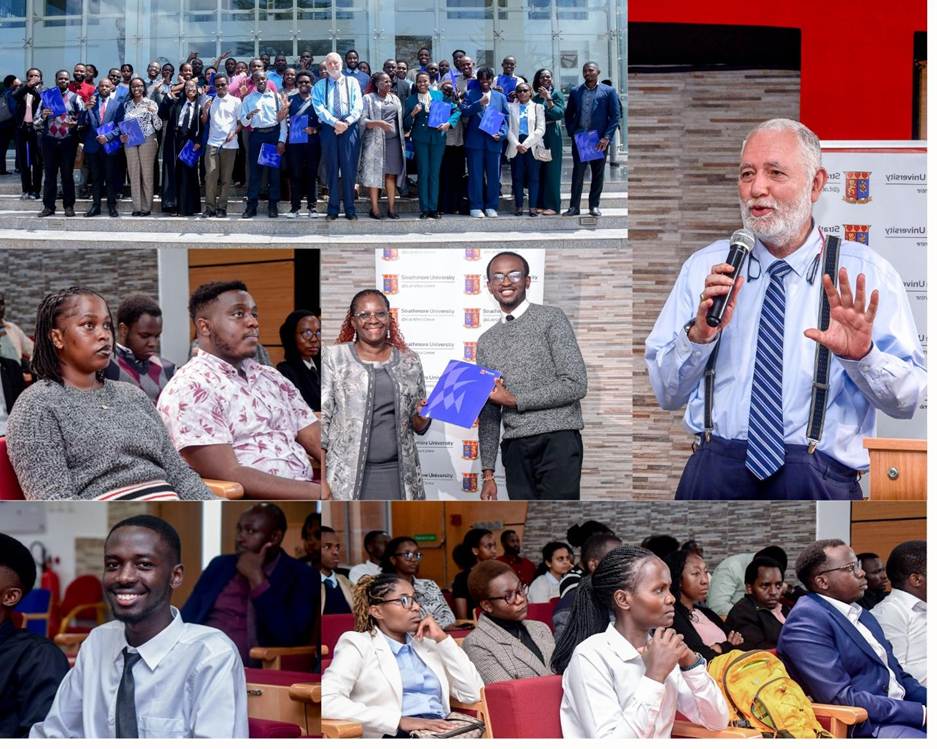
Nairobi, Kenya — @iLabAfrica – Strathmore University proudly celebrated the graduation of the I-UMEME Electrical Safety Certification Class of 2026, marking a significant milestone in Kenya’s commitment to building a safer, more professional electrical workforce. The ceremony brought together graduates, industry leaders, trainers, and entrepreneurs both in-person and virtually united by a shared conviction: that electrical safety is not optional, it is essential.
The I-UMEME program, offered in partnership with WISEe (Women in Sustainable Energy and entrepreneurship), equips participants with H0-B1V and B2V certifications demonstrating proficiency in electrical safety protocols, risk management, and best practices across residential, industrial, and national grid settings. Strathmore University has obtained from the National Industrial Training Authority (NITA), to be the only institution in Kenya offering this qualification (Approved since the 1th of October 2025, in accordance with the provisions of Section 7C of the industrial Training Act, Cap 237 of the laws of Kenya).
In a powerful virtual address delivered live from Paris, France where he was renewing his own BR-level certification Dr. Dillmann drew a compelling parallel between the electrification of Paris and Kenya’s ongoing energy transformation.
Referencing the 1900 Paris World Exhibition where 50 million visitors witnessed electricity shift from a feared spark to a manageable utility Dr. Dillmann noted that Kenya now stands at its own inflection point: In 2026, electricity usage for mobility in Kenya has for the first time overtaken kilowatts dedicated to lighting a landmark energy transition.
“Your certification today is not a piece of paper, it’s a shield,” Dr. Dilmann told the graduates. “You are the protectors of our homes, our workplaces, and our national grid. Never compromise on your standards.”
He urged the class to stay vigilant as Kenya expands its grid, embraces renewable energy, and navigates growing demand from new industries and electric mobility.
Mr. Ifeanyi Odoh, Country President of Schneider Electric Kenya, delivered the event’s headline keynote address sharing a remarkable personal and professional journey from rural electrification in Nigeria to leading a multinational corporation operating in over 100 countries.
Mr. Odoh described how he and fellow engineers built Kenya-style mini-grid solutions for off-grid Nigerian communities defying conventional business logic by targeting populations banks considered high-risk and ultimately helped change Nigeria’s national mini-grid policy, attracting World Bank and IFC investment into African energy start-ups.
He challenged the graduates to think boldly about Africa’s role in the global energy economy, noting that the construction expected across Africa and India in the next 25 years will equal all of Europe and China’s existing infrastructure combined.
“Africa will be at the table,” he said in closing. “The question is are we part of the menu, or are we those making the decisions?”
Mr. Odoh also highlighted innovation at the grassroots level, citing a Technical and Vocational Education and Training TVET Authority student in Nairobi French Kenyan energy center who developed a waste-to-energy solution within months of accessing advanced energy training equipment placed by Schneider Electric at a local polytechnic proof, he said, that Africa’s next generation is already solving tomorrow’s problems.
Samuel, an Electrical Engineer with the International Committee of the Red Cross (ICRC) in Nairobi, offered a sobering graduate perspective grounded in real-world consequence.
He recounted how the ICRC established a dedicated electrical safety department in 2018 following a series of serious incidents: lost colleagues, paralysed workers, warehouse fires, and damaged hospital equipment in remote communities where a single X-ray machine or one doctor served entire populations.
“Electricity is invisible, fast and unforgiving,” Samuel told his fellow graduates. “Real professionalism isn’t just about what you can build, it’s about what you refuse to risk.”
He called on graduates to become lifelong ambassadors for electrical safety not occasionally, but continuously in their organisations, communities, and across borders.
About the I-UMEME Electrical Safety Certification Course
The I-UMEME programme is offered @iLabAfrica – Strathmore University in partnership with WISEe (Women in Sustainable Energy and Entrepreneurship). It equips graduates with internationally recognised H0-B1V and B2V electrical safety certifications, covering risk management, PPE, regulatory compliance, and practical hands-on training.
Upcoming Intakes:
- 6th – 10th July 2026 (H0-B1V)
- 3rd – 7th August 2026 (H0-B1V)
- 7th – 11th September 2026 (H0-B1V)
- 1st – 3rd October 2026 (B2V)
- 4th – 9th October 2026 (H0-B1V)
- 2nd – 6th November 2026 (H0-B1V)
- 18th – 20th November 2026 (B2V)
- 3rd – 5th December 2026 (B2V)
- 10th – 12th December 2026 (B2V)
- 15th – 18th December 2026 (B2V)
Cost: KES 16,000 (H0-B1V)
Cost: KES 68,000 (B2V)
For more Information, click here>>https://ilabafrica.strathmore.edu/i-umeme-electrical-safety-certification-course/
Downloaded the ph90app, now just gotta figure out if it’s any good. What’s the vibe like? Any pro tips for a newbie?
Во сколько обойдется капитальный ремонт двигателя — профессиональный ремонт и диагностика двигателей автомобилей.
Восстановление двигателя помогает автомобилю работать надежно и устойчиво.
Изношенные детали могут стать причиной снижения мощности и нестабильных оборотов.
Способ разборки двигателя выбирают с учетом характера неисправности.
Внимательное отношение к автомобилю помогает сохранить результат ремонта на долгий срок.
Если вы ищете надежную заказать алкоголь в Москве — мы всегда поможем вам насладиться любимыми напитками, не выходя из дома.
За последние годы услуга доставки алкоголя существенно выросла.
В большинстве случаев клиентам доступен разнообразный ассортимент алкоголя, который можно заказать прямо на дом .
Весь процесс оформления заказа занимает всего несколько минут, после чего напитки доставляются прямо к двери.
Многие компании гарантируют быструю доставку, чтобы покупатель получил свои напитки максимально быстро .
Такой сервис особенно актуален в праздники, когда в обычных магазинах часто нет нужных напитков .
Отметим, что цены на услугу доставки зачастую вполне конкурентоспособны .
Сервисы проверяют качество товара перед отправкой, чтобы клиент получил свежий и оригинальный продукт.
Плюсы использования услуги доставки очевидны: экономия времени, широкий выбор и удобство .
онлайн доставка алкоголя в москве
Доставка алкоголя становится все более популярной в современном мире.
Заказывая алкоголь через интернет, покупатели получают возможность выбрать из широкого ассортимента и воспользоваться удобной доставкой.
Доставка алкоголя позволяет избежать походов в магазины и очередей.
Онлайн-заказ дает возможность внимательно ознакомиться с ассортиментом и ценами.
Существует несколько вариантов доставки, включая экспресс-доставку и стандартные сроки.
Многие магазины предоставляют бесплатную доставку при покупке на определенную сумму.
Магазины предлагают различные виды алкогольных продуктов для любого вкуса.
Качество продукции гарантируют только проверенные поставщики и наличие сертификатов.
Важно проверить все данные, чтобы доставка прошла без проблем.
Также следует учитывать возрастные ограничения и легальность приобретения алкоголя.
Для получения подробной информации о процедуре и порядке проведения испытаний си, вы можете ознакомиться с нашими материалами по ссылке: испытания среств измерений для утверждения типа.
В результате тестов достигается более высокая надежность и отказоустойчивость.
Росгвардия охрана объектов — это надежное решение для обеспечения безопасности вашей собственности, росгвардия вневедомственная охрана росгвардии.
Росгвардия является важным элементом системы национальной безопасности России, обеспечивая охрану объектов.
Росгвардия охрана объектов — это надежное решение для обеспечения безопасности вашей собственности, услуги росгвардии.
Она осуществляет контроль и мониторинг территории, предотвращая возможные угрозы.
Right, placed a few bets on vaidebbet, so let’s see! Site’s alright, easy enough to understand. Here’s hoping I can take home some earnings tonight! Good luck to those betting on vaidebbet.
Росгвардия охрана объектов — это надежное решение для обеспечения безопасности вашей собственности, вневедомственная охрана сигнализация.
Росгвардия занимается постоянной охраной важных государственных и частных объектов.
Росгвардия охрана объектов — это надежное решение для обеспечения безопасности вашей собственности, вневедомственная охрана.
Особое значение имеет организация охранных мероприятий в соответствии с нормативами.
Es raro encontrar un mapa de ruta tan bien documentado. cascada Bonito Este portal obviamente aporta conocimiento. ¡Mantengan viva la página!!
Росгвардия охрана объектов — это надежное решение для обеспечения безопасности вашей собственности, охранная сигнализация мвд.
В число охраняемых объектов входят предприятия инфраструктуры, правительственные здания и жилые комплексы.
Росгвардия охрана объектов — это надежное решение для обеспечения безопасности вашей собственности, охранная сигнализация полиция.
Особое значение имеет организация охранных мероприятий в соответствии с нормативами.
Росгвардия охрана объектов — это надежное решение для обеспечения безопасности вашей собственности, тарифы на вневедомственную охрану.
Росгвардия обеспечивает безопасность на объектах различных категорий, от промышленных предприятий до жилых районов.
Росгвардия охрана объектов — это надежное решение для обеспечения безопасности вашей собственности, охранные системы росгвардия.
Правильная организация охраны способствует предотвращению преступных действий и нарушений.
Росгвардия охрана объектов — это надежное решение для обеспечения безопасности вашей собственности, тарифы на вневедомственную охрану.
Основной задачей Росгвардии является охрана стратегических и важных объектов.
Росгвардия охрана объектов — это надежное решение для обеспечения безопасности вашей собственности, охранная сигнализация мвд.
Росгвардия занимается постоянной охраной важных государственных и частных объектов.
Росгвардия охрана объектов — это надежное решение для обеспечения безопасности вашей собственности, вневедомственная охрана сигнализация.
Особое значение имеет организация охранных мероприятий в соответствии с нормативами.
Росгвардия охрана объектов — это надежное решение для обеспечения безопасности вашей собственности, вневедомственная охрана услуги.
Росгвардия играет ключевую роль в обеспечении безопасности объектов различного назначения.
Росгвардия охрана объектов — это надежное решение для обеспечения безопасности вашей собственности, охрана росгвардии.
Она осуществляет контроль и мониторинг территории, предотвращая возможные угрозы.
конкурентные цены;
КОГДА НЕОБХОДИМО ПОСЕТИТЬ МАНУАЛЬНОГО ТЕРАПЕВТА?
В нашем центре лечения суставов и позвоночника врачи стараются максимально открыто и понятно объяснить необходимость проведения предлагаемой медицинской помощи, а также обоснованность тех или иных процедурных манипуляций и видов лечения https://dolgoletmed.ru/specialists/gurov-andrey-vladimirovich/